
Podlahová izolace: Co skutečně funguje a jak ji správně vybrat
When you think about podlahová izolace, systém, který snižuje přenos tepla a hluku skrz podlahu. Also known as tepelná a akustická izolace podlahy, it is not just about keeping your feet warm in winter—it’s about turning your home into a quieter, more efficient space where noise from below doesn’t wake you up and your heating bills don’t spiral out of control. Many people assume insulation is only for walls or attics, but skipping it under your floor is like leaving a window open in winter—money and comfort slip away unnoticed.
What you put under your floor affects more than just temperature. A good tepelná izolace, materiál, který zpomaluje přenos tepla mezi místnostmi nebo patry can cut your heating costs by up to 15%, especially in older buildings with concrete slabs. But it’s not just about warmth. If you live above a garage, basement, or neighbor’s apartment, akustická izolace, systém, který tlumí šíření hluku skrz konstrukce is just as important. Footsteps, moving furniture, even loud TV—these sounds travel through floors faster than you think. The right combination of materials can turn a noisy apartment into a peaceful sanctuary.
Not all insulation is created equal. Mineral wool, extruded polystyrene, cork, and recycled denim each have their strengths. Mineral wool handles moisture well and is fire-resistant, making it ideal for bathrooms or ground floors. Cork is naturally sound-dampening and soft underfoot—perfect for bedrooms or living rooms. Polystyrene gives you high thermal resistance in thin layers, great when you can’t afford to lose ceiling height. And recycled denim? It’s eco-friendly, non-irritating, and works surprisingly well in retrofit projects. The key isn’t picking the most expensive option—it’s matching the material to your space, your budget, and your biggest problem: is it cold? Is it loud? Or both?
And here’s the truth most installers won’t tell you: insulation only works if it’s installed right. Gaps, compressed layers, or poor sealing around pipes and edges can kill its effectiveness. That’s why you don’t just buy a roll and lay it down—you plan it. You check the subfloor for levelness, you seal gaps first, you choose the right thickness for your floor structure. A 5 cm layer of poor-quality material can do less than a 3 cm layer of well-chosen, properly installed one.
If you’re renovating, adding insulation under a new floor is the best time to get it right. If you’re living in an older home and can’t lift the floor, there are still options—thin acoustic mats, floating floor systems, or even specialized underlayments for laminate and vinyl. You don’t need to tear everything apart to make a difference.
What you’ll find in the articles below are real solutions from Czech homes—how one family cut their heating bill after adding cork under their kitchen floor, why a thin acoustic layer made their upstairs bedroom quiet enough for sleep, and which materials actually last without crumbling or attracting mold. No theory. No marketing fluff. Just what works in practice, in our climate, in our buildings.
-
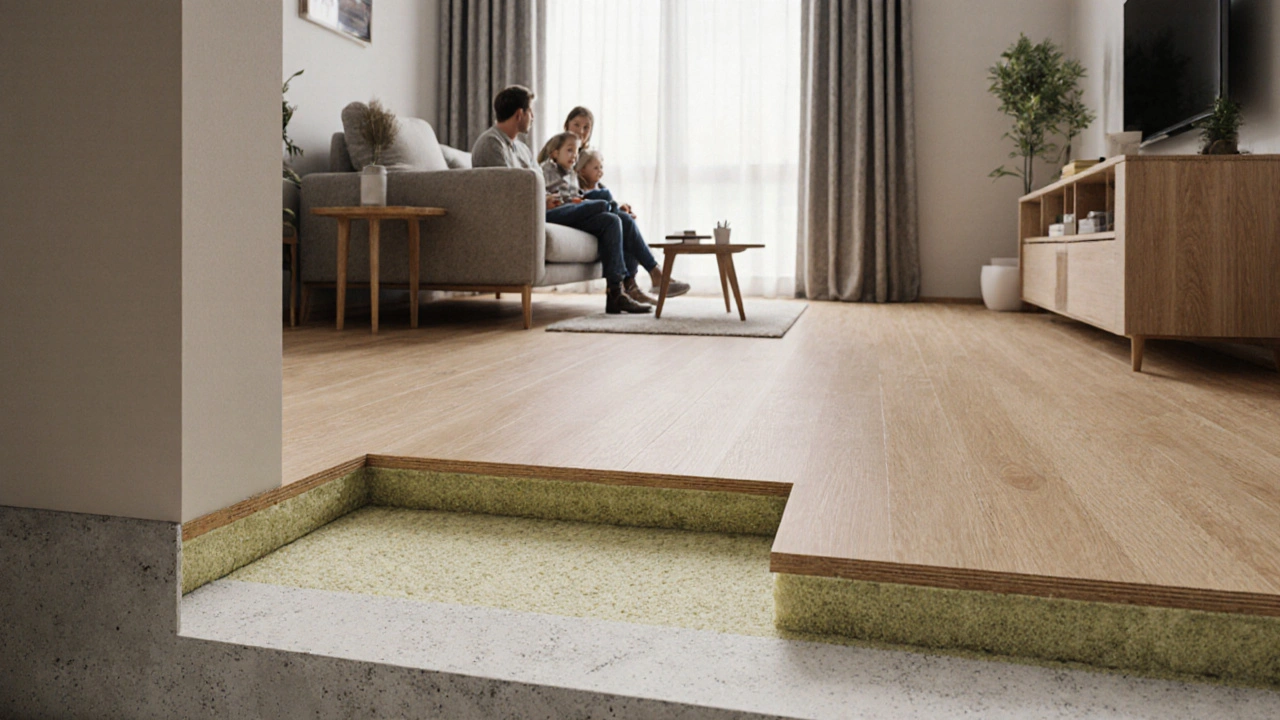
Akustika podlah: jak zvolit kročejový útlum pro klidný bytový dům
Zjistěte, jak vybrat kročejový útlum podlahy pro klidný bytový dům. Porovnání systémů, nejlepší materiály, ceny a chyby, které byste měli vyhnout. Nové normy od roku 2025.